Skin technology
RF microneedling: understanding the technology and planning a Pinxel service
RF microneedling brings together fine needles and radiofrequency energy. For a clinic considering Pinxel RF, the useful starting point is a clear treatment objective, an understanding of the evidence and a plan for competent delivery, consultation and follow-up.
What does RF microneedling do?
Microneedles act as small electrodes, introducing radiofrequency energy into tissue and producing local heating. The controlled tissue response is used in procedures intended to improve skin texture and the appearance of selected scars. The position and distribution of the thermal effect depend on the device, cartridge and procedure. [2]
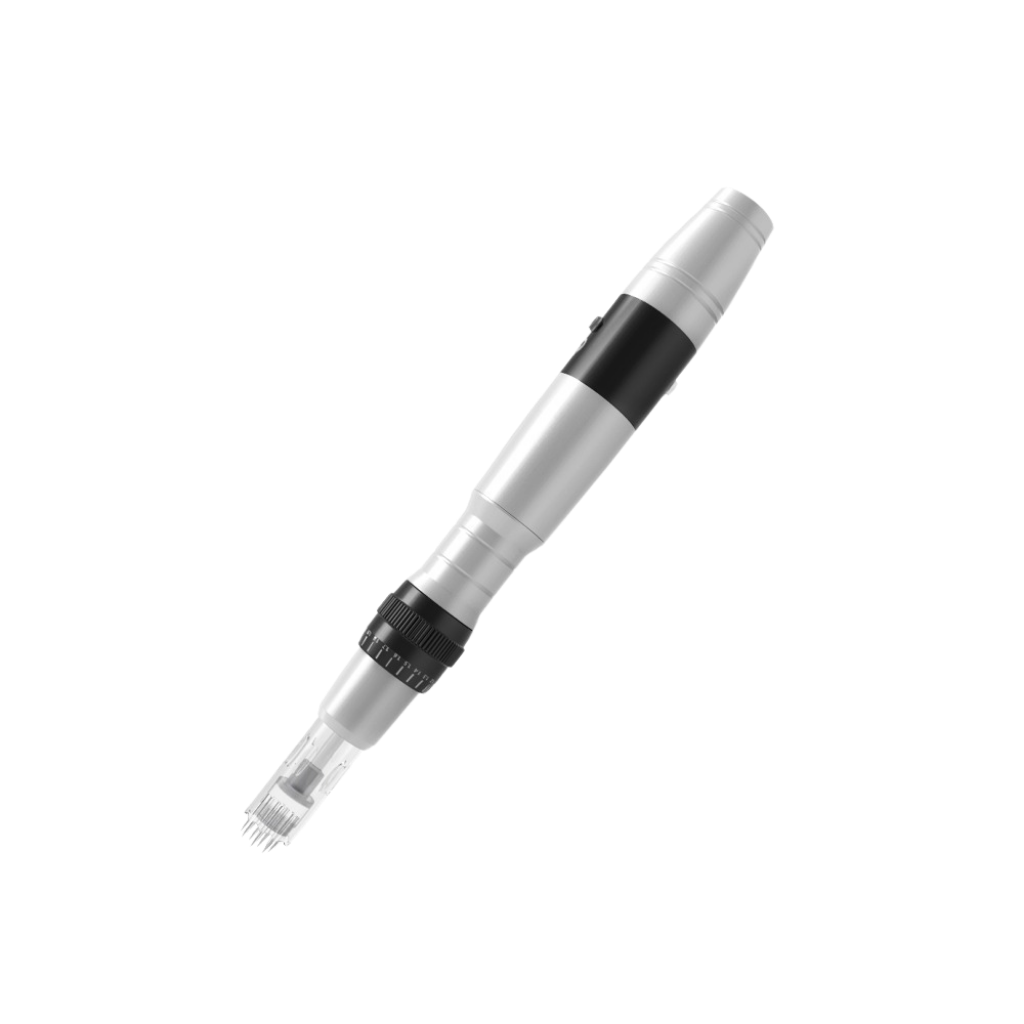
The needles therefore have two roles: they enter the skin and provide a route for electrical energy. A conventional microneedling pen uses the mechanical action of needles without the same RF component. Understanding that distinction helps practitioners explain why preparation, consumables and the expected recovery experience can differ. [2]
What can the evidence tell a clinic?
Clinical studies have investigated RF microneedling for atrophic acne scars. In a prospective study published in the Journal of Cutaneous and Aesthetic Surgery, scar assessment scores improved across the study group, although some participants showed no improvement. Redness, swelling and cases of post-inflammatory pigmentation were recorded. [1]
This supports a discussion about potential improvement with careful selection and review. It does not establish an identical outcome for every scar or every RF system. That study used a different device from Pinxel. Scar shape, skin characteristics, the assessment method and the duration of follow-up all matter when interpreting the findings. [1]
Where does Pinxel RF fit?
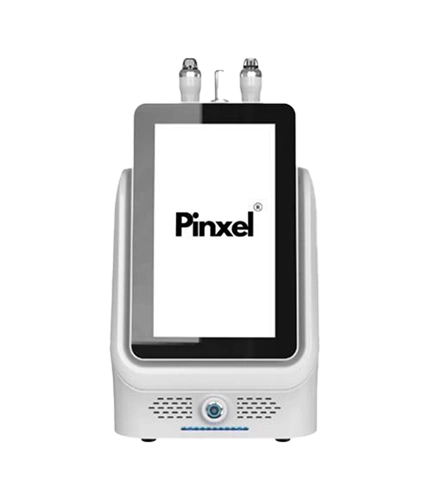
Pinxel RF combines microneedling and RF within the SkinLight range. Its available cartridge types include insulated and non-insulated microneedles, alongside other applicator options. The selected configuration needs to match the procedures the clinic intends to offer and the preparation of its team. [3]
For a demonstration, bring a short list of your proposed services. Ask to review cartridge compatibility, single-use items, cleaning requirements, record-keeping and the support available after installation. A clear comparison of the equipment and consumables is more useful than evaluating a device by its headline power alone.
Build the consultation into the service
RF microneedling needs an individual suitability assessment and an honest explanation of benefits, limitations and recovery. The US FDA has reported serious complications with certain uses, including burns, scarring, unwanted fat loss and nerve injury. These reports reinforce the importance of appropriate professional competence, device-specific preparation and a clear route for clinical review. [2]
Make room in the service plan for consultation photographs, consent, aftercare communication and follow-up. A client asking about an acne scar may also have active skin concerns that need separate assessment. The aim should be an agreed, realistic improvement in appearance, with progress judged against a consistent baseline.
Connect training with the business plan
Use the RF example in the SkinLight calculator to explore appointment time, cartridge use, staffing and maintenance. Replace the illustrative figures with your clinic's own assumptions before making a purchasing decision. Include the time spent on preparation and records, as well as the treatment itself.
The SkinLight Academy RF microneedling enquiry lets you describe your experience, equipment and learning objectives. This helps shape a relevant discussion about training and the practical introduction of a Pinxel service.
Questions from clinic teams.
Will every acne scar respond in the same way?
No. Scar type, skin characteristics and individual healing influence the response. Assessment may identify a need for a different approach or a wider treatment plan.
Can I ask about training before choosing a device?
Yes. Register your interest through SkinLight Academy and explain your current qualifications, experience and intended services. You can discuss equipment and training together.