01Skin repair and scar characteristics
Review the stages of skin repair and the vocabulary used to describe scars. Explore colour, surface texture, contour and tissue pliability as discussion areas. Record history and reported symptoms so the description reflects both visible features and the client's experience.
02Consultation and professional scope
Consider the cause and history of the scar, previous interventions, current concerns and expectations. Discuss reasons to postpone an aesthetic procedure or seek medical assessment. Cosmetic work focuses on appearance and skin quality within the practitioner's competence; functional concerns require an appropriate clinical pathway.
03Choosing questions before choosing a device
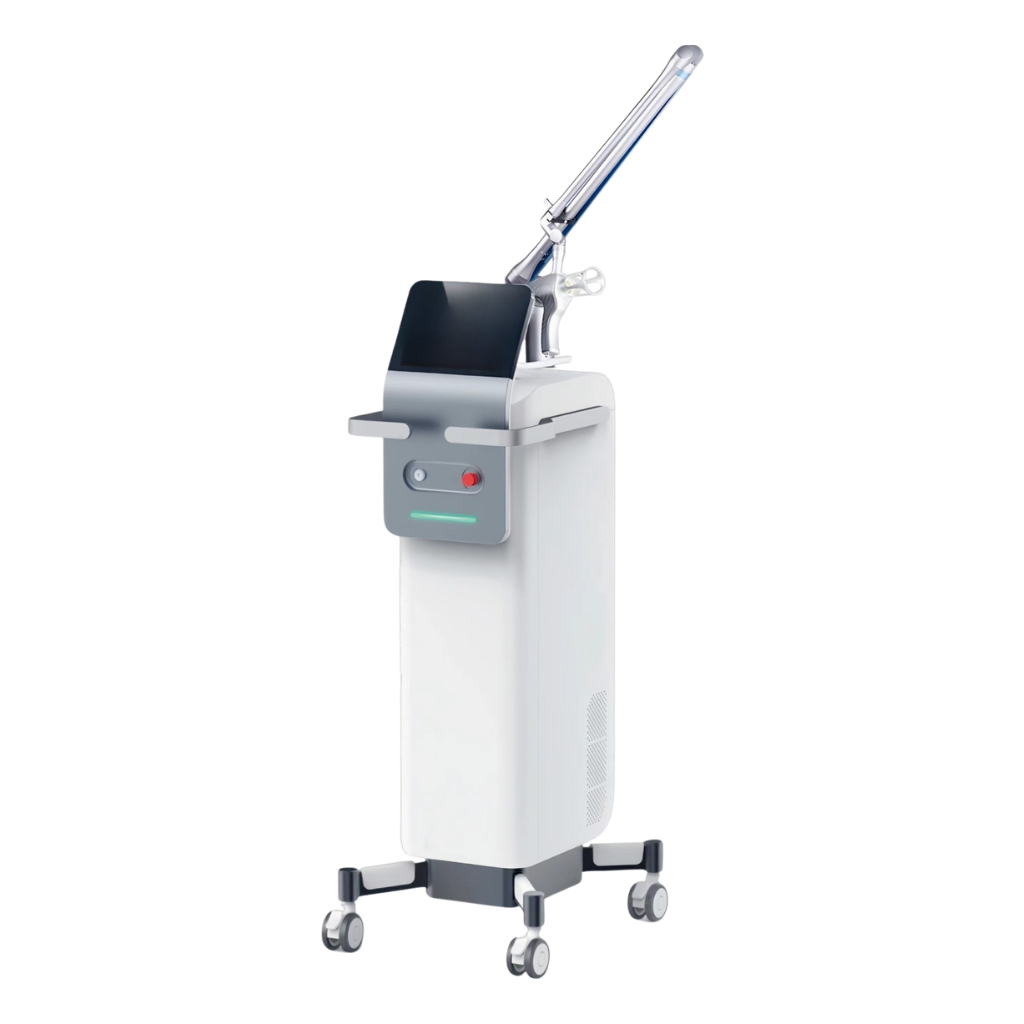
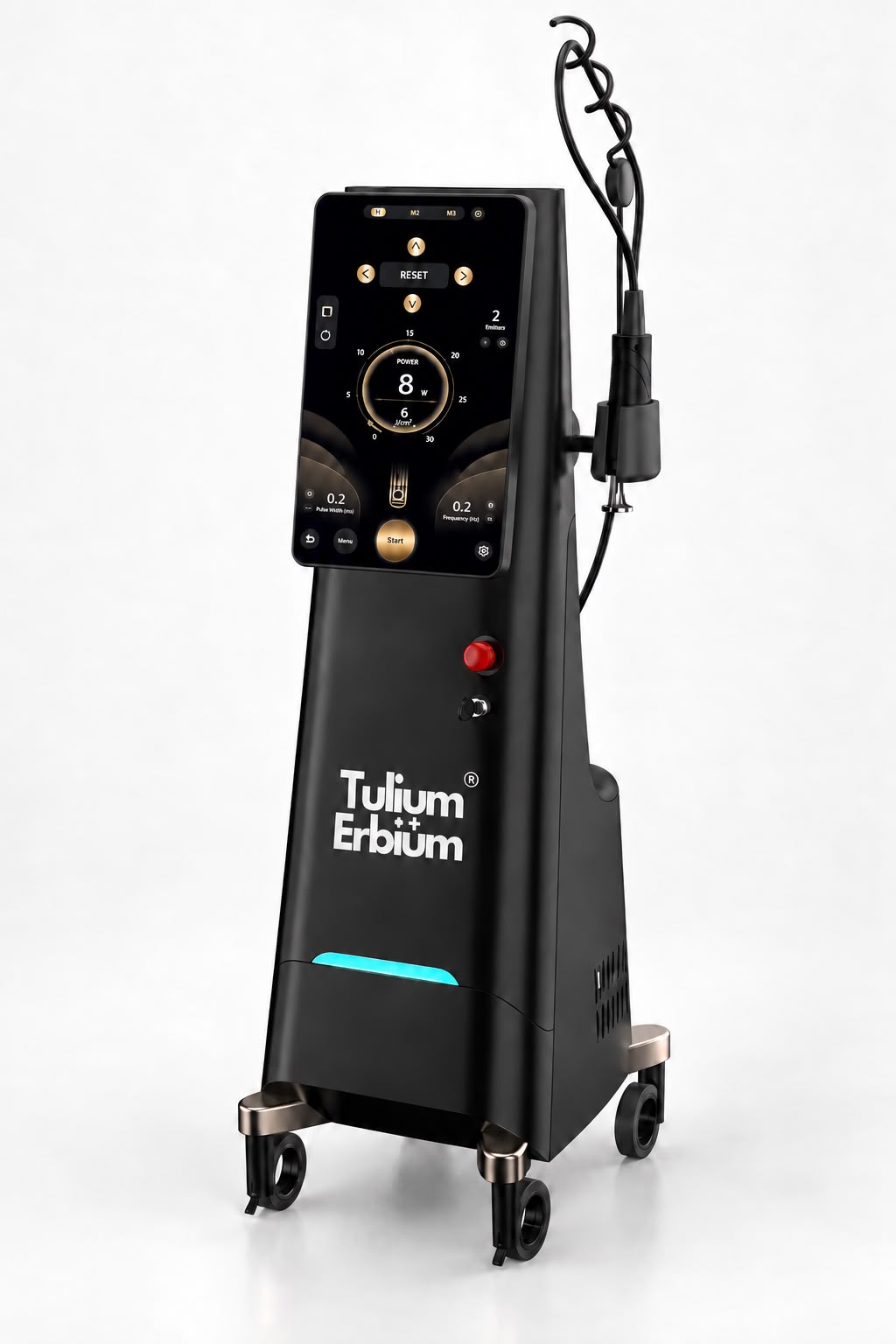
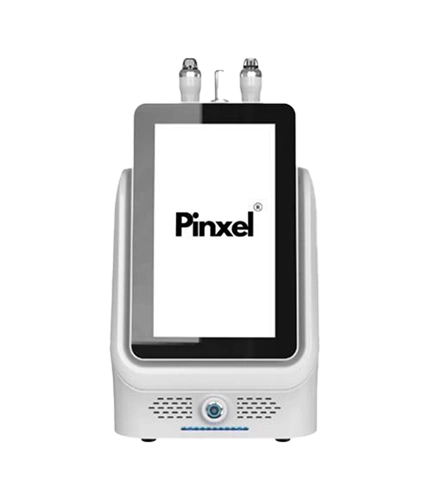
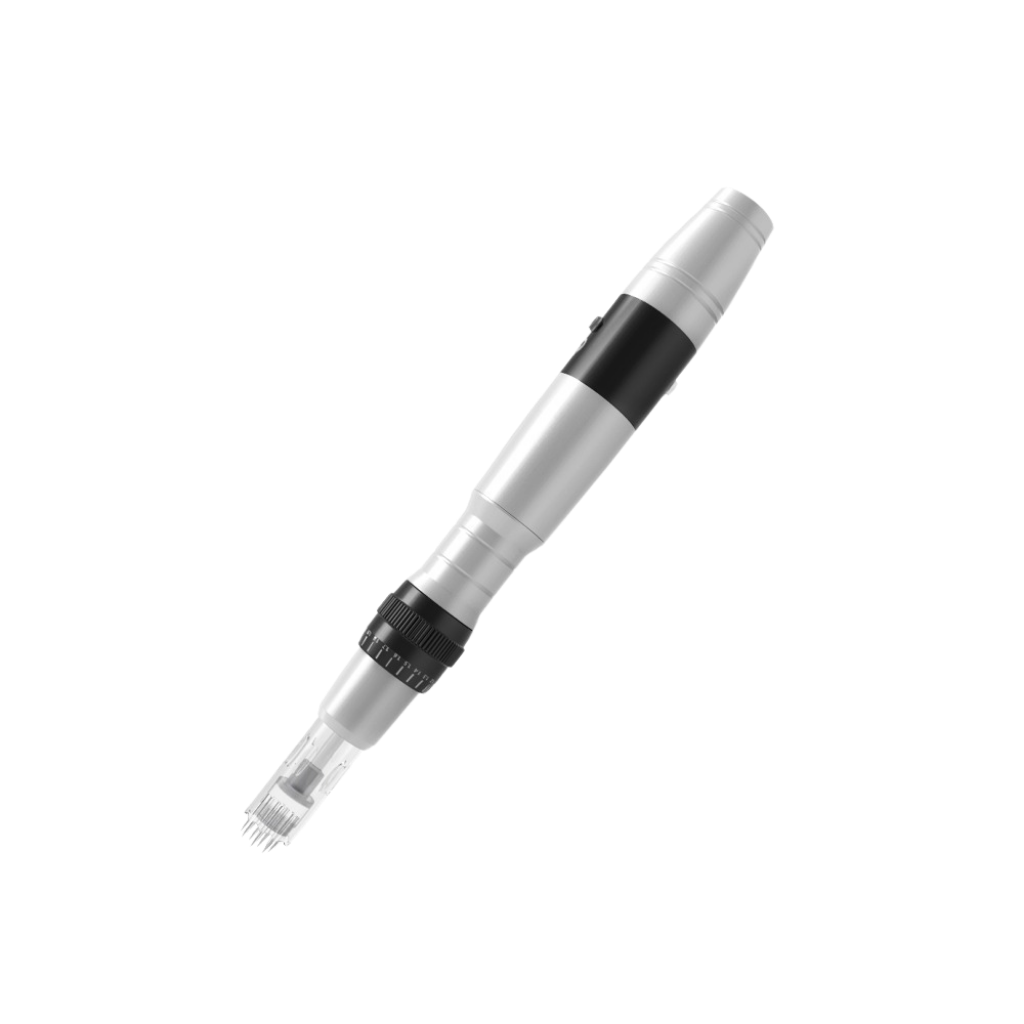
Compare fractional CO₂, 1927 and 1550 nm laser delivery, Pinxel RF, X-Pen microneedling and IPL as distinct categories. Explore the questions each raises about suitability, intended use and operator preparation. No single technology or combination is presented as a universal scar solution.
04Planning and case discussion
Work through proposed case discussions that connect the cosmetic objective with assessment findings and professional boundaries. Review consent, photography and reasons for selecting or deferring an approach. The choice, sequence and spacing of procedures require individual assessment and the relevant device instructions.
05Documenting change and communicating limits
Plan consistent photographs and notes to record appearance and client feedback over time. Discuss realistic goals such as changes in visible texture or colour without promising scar removal. Review how to respond when progress, symptoms or expectations call for reassessment or referral.