01CO₂ and fractional resurfacing principles
Review the 10.600 nm CO₂ wavelength, interaction with water and the distinction between fractional delivery and a fully treated surface. Connect these principles with a discussion of skin texture, recovery and the limitations of general descriptions when assessing an individual client.
02Fracti50 Pro equipment orientation
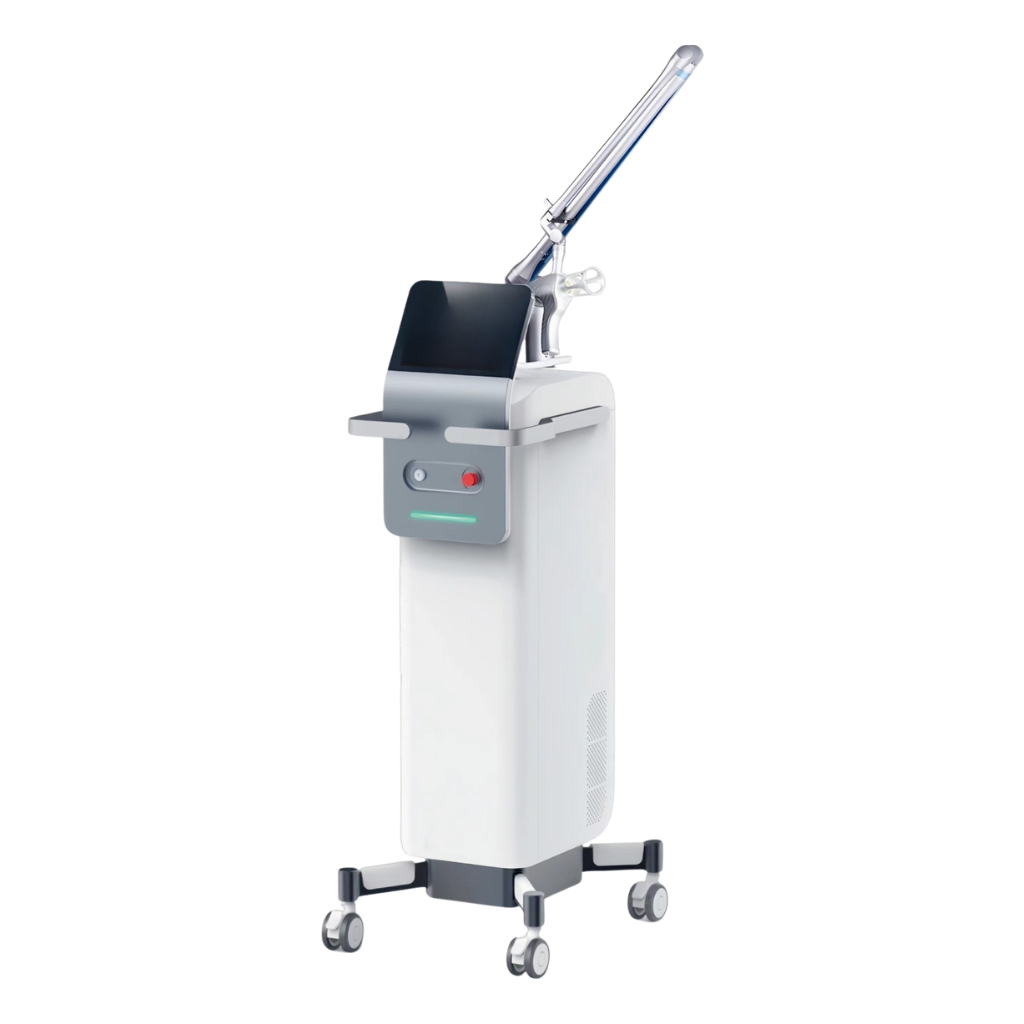
Explore fractional scanning, scanning field shapes and delivery through an articulated arm. Learn to distinguish output power, pulse energy, duration and coverage in the device documentation. Surgical modes are a separate scope and are not included by default in a resurfacing enquiry.
03Consultation and suitability
Build a structured discussion of skin history, previous procedures, client concerns and recovery expectations. Review when treatment should be deferred or further assessment sought. Consider the information needed for consent, baseline photographs and an individual plan within the practitioner's role.
04Preparing a specialist workflow
Review the responsibilities surrounding the treatment environment, protective arrangements, hygiene, equipment checks and documentation. Discuss how the team records a planned approach, communicates responsibilities and recognises circumstances requiring a pause or escalation, using the exact device instructions.
05Aftercare and case review
Develop clear recovery and aftercare communication, including a route for raising concerns. Explore how consistent photographs and follow-up notes support assessment of healing and the client's experience. Case review focuses on reassessment and communication rather than fixed outcome promises.